
Recommended
The Bullet Journal Method
Track the Past, Order the Present, Design the Future
A simple notebook system for planning, reflection and intentional living, from the designer who created it.
- Published 2018
- Easy read
- Practical guidance
- 2 min analysis
As an Amazon Associate I earn from qualifying purchases.
Introduction
Ryder Carroll, a digital product designer, developed the Bullet Journal to cope with learning difficulties in childhood. After he shared it online, it became a worldwide phenomenon. The Bullet Journal Method, published in 2018, explains both the system and the philosophy behind it.
The method uses a plain notebook with simple symbols for tasks, events and notes, plus daily, monthly and future logs.
Who should read this book?
People who like paper planning, feel overwhelmed by digital tools, or want a more mindful approach to productivity.
Helps with: Build better habits, Focus and get more done
The central message
A simple notebook system helps you capture tasks, reflect regularly and focus on what is truly meaningful.
Key ideas and concepts
Rapid logging
Short bullets with symbols for tasks, events and notes.
Logs
Daily, monthly and future logs organize time at different scales.
Migration
Each month, rewrite unfinished tasks. If it's not worth rewriting, it may not be worth doing.
Collections
Pages for projects, habits or lists, tracked through an index.
Intentional living
Reflection helps you notice what matters and drop what doesn't.
Deeper analysis
The Bullet Journal Method is practical and thoughtful. The system is flexible and simple to start with nothing but a pen and notebook, and the idea of migration, deciding whether a task is worth rewriting, is a clever filter for priorities.
The book goes beyond the system into philosophy, which some readers enjoy and others find padded. Online, bullet journaling has become associated with elaborate artistic layouts, which Carroll's minimalist approach doesn't require. It's best for people who enjoy writing by hand.
Practical applications
- Buy a plain notebook and set up an index.
- Rapid-log tasks, events and notes each day.
- Create a monthly log.
- Migrate unfinished tasks at the end of the month.
- Reflect briefly each morning and evening.
Your 7-day action plan
- Day 1
Set up index, future log and monthly log.
- Day 2
Start a daily log.
- Day 3
Use symbols for tasks, events and notes.
- Day 4
Create a collection for a project.
- Day 5
Reflect in the evening.
- Day 6
Track one habit.
- Day 7
Review the week and migrate tasks.
Outcomes to expect
What readers who apply this book can realistically take away from it:
- A simple paper planning system
- Clearer priorities through migration
- Regular reflection
- Less overwhelm
Strengths and limitations
Strengths
- Simple and flexible
- Clever migration filter
- Encourages mindful reflection
- Needs only a notebook
Limitations
- Philosophy sections feel padded to some
- Paper isn't for everyone
- Online versions can overcomplicate it
Reflection questions
- Do you plan better on paper or screen?
- Which tasks keep getting carried over?
- When do you reflect on your days?
- What would you stop doing if you had to rewrite it?
Related books
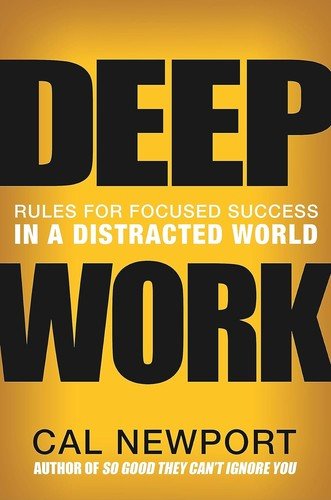
Deep Work
Cal Newport
In a world of constant pings, the ability to focus deeply on hard work is rare and valuable. Here is how to…


About the author
Explore the book
Read reviews, see formats (print, Kindle, audiobook) and check the current price.
See it on AmazonAs an Amazon Associate I earn from qualifying purchases.
Book details (title, author, year) are factual. Everything under the headings above is MindsetProdigy's own editorial analysis and interpretation, written to help you decide whether to read the book and how to apply it. It is not a substitute for reading the book itself. Last updated September 30, 2026.