
Highly recommended
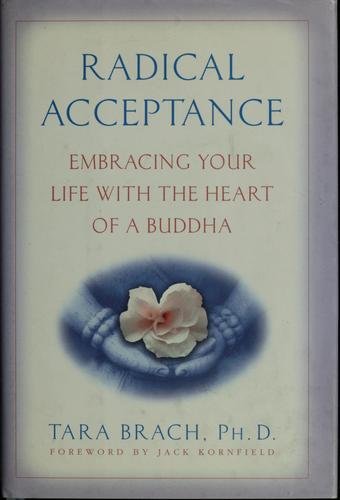
Radical Acceptance
Embracing Your Life with the Heart of a Buddha
Freedom begins when you stop fighting yourself. Mindfulness and compassion for the feeling of not being enough.
- Published 2003
- Moderate
- Philosophy and ideas
- 2 min analysis
As an Amazon Associate I earn from qualifying purchases.
Introduction
Tara Brach is a psychologist and teacher of Buddhist meditation who founded the Insight Meditation Community of Washington. Radical Acceptance, published in 2003, addresses what she calls the 'trance of unworthiness', the pervasive feeling that something is wrong with us.
Brach combines Buddhist teachings, psychology and stories from her clients and her own life to show how mindfulness and compassion can heal that feeling.
Who should read this book?
People who are harsh on themselves and want to be kinder inside.
Helps with: Calm stress and anxiety, Heal and grow
The central message
Accepting our experience with mindful, compassionate presence frees us from the trance of unworthiness.
Key ideas and concepts
The trance of unworthiness
Many people live with a constant sense of not being good enough, which drives striving, judging and hiding.
Radical acceptance
Clearly recognizing what we're feeling and holding it with compassion, rather than pushing it away.
The sacred pause
Stopping briefly in moments of reactivity creates space to choose a wiser response.
RAIN
Recognize what is happening, Allow it, Investigate with kindness, and Nurture with self-compassion. (Brach has refined this practice over the years.)
Compassion for others
Accepting ourselves opens us to accept and care for others.
Deeper analysis
Radical Acceptance is compassionate and deeply comforting. Brach's stories are moving, and her practices, particularly the sacred pause and RAIN, are simple tools that many readers use daily. Her approach aligns with research on self-compassion and mindfulness.
The Buddhist framework and meditation focus won't suit everyone, and the book can feel slow and repetitive. Acceptance can also be misunderstood as passivity; Brach is clear that acceptance is the starting point for wise action, but readers should keep this in mind. For those seeking healing from self-judgement, it's a treasure.
Practical applications
- Use RAIN when strong emotions arise.
- Take a sacred pause before reacting.
- Notice thoughts of unworthiness.
- Offer yourself kind words.
Your 7-day action plan
- Day 1
Notice moments when you feel 'not good enough'.
- Day 2
Practise a sacred pause before reacting to a trigger.
- Day 3
Try the RAIN practice with a difficult feeling.
- Day 4
Offer yourself a kind phrase when you feel inadequate.
- Day 5
Meditate for ten minutes with a focus on acceptance.
- Day 6
Extend the same acceptance to someone who frustrates you.
- Day 7
Reflect on how acceptance changed your reactions.
Outcomes to expect
What readers who apply this book can realistically take away from it:
- Less self-judgement
- Tools for pausing in moments of reactivity
- Greater self-compassion
- More compassion for others
Strengths and limitations
Strengths
- Compassionate and deeply comforting
- Simple, usable practices like RAIN and the sacred pause
- Moving personal and client stories
- Aligns with self-compassion research
Limitations
- Buddhist framework won't suit all readers
- Slow and repetitive in places
- Acceptance can be misread as passivity
Reflection questions
- Where do you feel not enough?
- What happens if you pause?
- How would you nurture yourself?
Related books
The Power of Now
Eckhart Tolle
Most of your suffering lives in the past and future. Peace is only ever here, now.
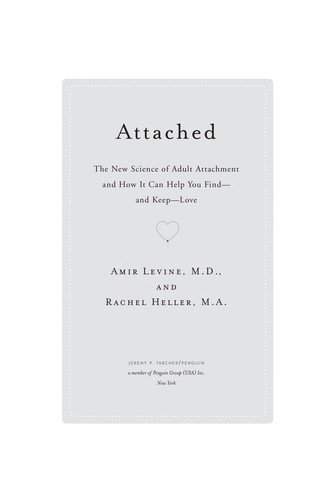
Attached
Amir Levine and Rachel S. F. Heller
Understand your attachment style, and your relationships start to make sense.

About the author
Explore the book
Read reviews, see formats (print, Kindle, audiobook) and check the current price.
See it on AmazonAs an Amazon Associate I earn from qualifying purchases.
Book details (title, author, year) are factual. Everything under the headings above is MindsetProdigy's own editorial analysis and interpretation, written to help you decide whether to read the book and how to apply it. It is not a substitute for reading the book itself. Last updated September 28, 2026.