

Highly recommended
The Confidence Gap
A Guide to Overcoming Fear and Self-Doubt
Confidence isn't the absence of fear; it's acting well alongside it. Skills from Acceptance and Commitment Therapy.
- Published 2011
- Easy read
- Science and research
- 2 min analysis
As an Amazon Associate I earn from qualifying purchases.
Introduction
Russ Harris is a doctor and therapist known for teaching Acceptance and Commitment Therapy (ACT), an evidence-based approach that helps people live by their values even when they feel fear and doubt. In The Confidence Gap he applies ACT to confidence.
His main point reverses common advice: you don't need to feel confident before you act. Confidence comes after action, and fear is a normal part of doing anything meaningful.
Who should read this book?
People who wait to feel ready before trying, anyone with anxiety about performance or social situations, and readers who have tried positive thinking without success.
Helps with: Build confidence, Calm stress and anxiety
The central message
The actions of confidence come first; the feelings of confidence come later. Make room for fear, unhook from unhelpful thoughts and act on your values.
Key ideas and concepts
The confidence gap
The space between where you are and where you want to be, which feels uncomfortable. Many people wait for the discomfort to disappear before acting, so they never act.
The confidence cycle
Practise a skill, apply it effectively, assess the results and modify your approach. Confidence grows as a by-product of this cycle.
Defusion
Instead of arguing with negative thoughts, notice them as words and stories, for example by saying, 'I'm having the thought that I'll fail.'
Expansion
Make room for difficult feelings like fear rather than struggling against them, so they have less power over you.
Values
Clarify what truly matters to you, and use that as the reason to act despite discomfort.
Deeper analysis
The Confidence Gap is one of the most practical and psychologically grounded books on confidence. Instead of promising to remove fear, it teaches readers to act alongside it, which matches what research on anxiety and avoidance suggests. The defusion techniques are simple and often surprisingly effective, and the focus on values gives readers a meaningful reason to stretch.
The ACT approach takes practice, and some exercises may feel odd at first. The book is less inspiring than motivational titles because it deliberately avoids hype. People with severe anxiety may need the support of a therapist alongside it. For most readers, it is a sensible and lasting approach to building courage.
Practical applications
- Notice an anxious thought and say, 'I'm having the thought that…'
- Write down a value that a scary action would serve.
- Take one small step toward something you fear this week.
- Let a difficult feeling be present for a minute without fighting it.
- After acting, assess what went well and what to change.
Your 7-day action plan
- Day 1
Identify an area where you wait to feel confident.
- Day 2
Write down your values in that area.
- Day 3
Practise defusion with one recurring thought.
- Day 4
Practise making room for fear during a short exercise.
- Day 5
Take one small valued action.
- Day 6
Assess the result and adjust.
- Day 7
Plan your next step on the confidence cycle.
Outcomes to expect
What readers who apply this book can realistically take away from it:
- Willingness to act without waiting to feel ready
- Practical skills for handling fear and self-doubt
- Clarity about your values
- Confidence that grows through action
Strengths and limitations
Strengths
- Grounded in evidence-based therapy (ACT)
- Realistic: doesn't promise to remove fear
- Practical, simple exercises
- Compassionate tone
Limitations
- Exercises take practice and may feel unusual
- Less motivational than hype-driven books
- Severe anxiety may need professional support
Reflection questions
- What are you waiting to feel ready for?
- What would you do if fear came along but didn't stop you?
- Which thought hooks you most often?
- Which value matters enough to act on despite discomfort?
Related books
Mindset
Carol S. Dweck
Believing you can grow is the first step to actually growing. The landmark book on fixed versus growth…
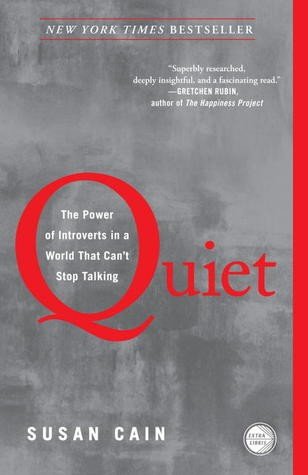
Quiet
Susan Cain
Introverts bring real strengths to a world built for extroverts. A reassuring, research-rich look at…


Part of the reading path: Improve Confidence
About the author
Explore the book
Read reviews, see formats (print, Kindle, audiobook) and check the current price.
See it on AmazonAs an Amazon Associate I earn from qualifying purchases.
Book details (title, author, year) are factual. Everything under the headings above is MindsetProdigy's own editorial analysis and interpretation, written to help you decide whether to read the book and how to apply it. It is not a substitute for reading the book itself. Last updated September 27, 2026.