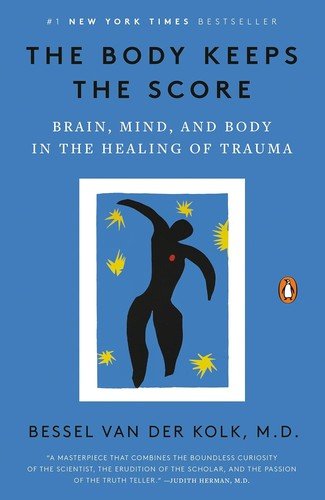
The Body Keeps the Score
How stress and trauma live in the body, and the many paths to healing.

Understanding and managing emotions, your own and other people's, is a skill that can be learned. These books explain how emotions work and how to respond to them with more awareness and less reactivity.
They help with stress, anxiety, anger, empathy and the everyday work of getting along with others.
How stress and trauma live in the body, and the many paths to healing.
Confidence isn't the absence of fear; it's acting well alongside it. Skills from Acceptance and Commitment Therapy.
Let go of who you think you should be and embrace who you are. Ten guideposts for wholehearted living.
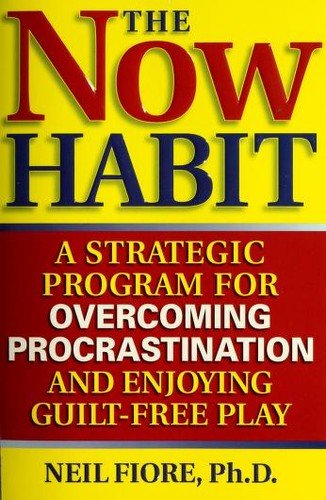
Procrastination is a way of coping with fear. Learn to start without anxiety, and make time for guilt-free play.
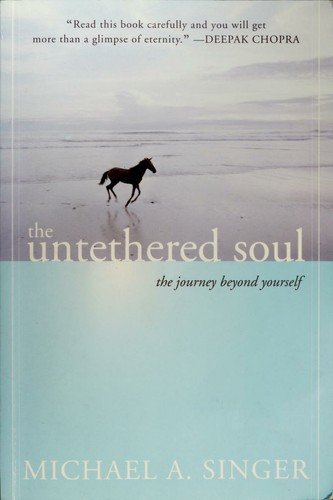
You are the one who notices the voice in your head, not the voice itself.
Twelve strategies based on brain development to help parents turn everyday struggles into growth for their children.
A psychiatrist and neuroscientist shows how anxiety works like a habit loop, and how curiosity can break it.
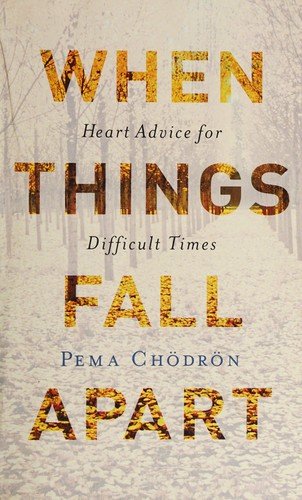
Buddhist wisdom for difficult times: lean into discomfort instead of running from it.
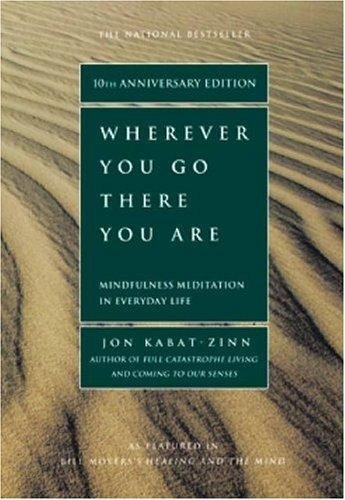
Short reflections on bringing mindfulness into everyday life, from the founder of MBSR.
Bite-sized tools from a clinical psychologist for low mood, anxiety, stress and self-doubt.
Eighty-seven emotions and experiences, mapped and explained, so you can name what you feel.
A short, practical guide to the four skills of emotional intelligence, with strategies for each.
Why we're drawn to partners who echo childhood wounds, and how conscious dialogue can turn conflict into healing.
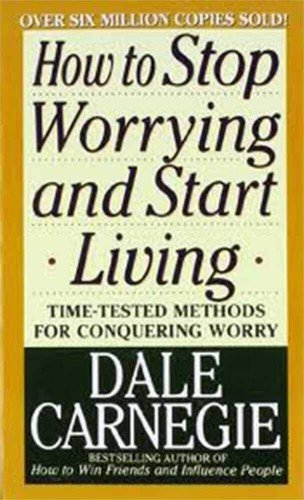
A classic, practical guide to breaking the worry habit, from the author of How to Win Friends.
A psychiatrist shares techniques for getting through to people who are upset, resistant or difficult.
A psychiatrist describes 'mindsight', the ability to see your own mind, and how it can change the brain and…
A leader's most important job is emotional: creating resonance. Emotional intelligence applied to leadership.
How to get back up after a fall: owning your story, examining the stories you tell yourself, and rising stronger.
Anger is a signal. A psychologist shows how to use it to change unhealthy patterns in close relationships.
A psychologist describes high sensitivity as a normal trait and offers ways to thrive with it.
Eighteen 'laws' of human behaviour, illustrated with history, to help you understand yourself and others.
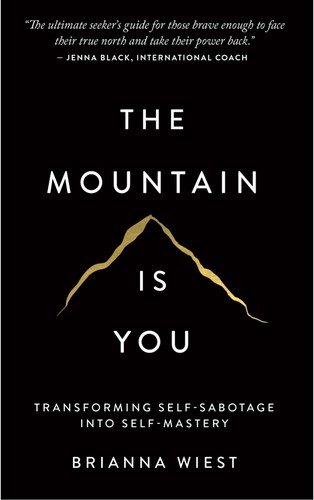
The biggest obstacle in your way is often your own behaviour, and that's good news. Understanding self-sabotage.